Canadian Owned Since 2002

If your bin needs to be placed on a public street, boulevard, or sidewalk, you’ll likely need a dumpster permit. Here’s everything you need to know!
The City of Toronto requires permits when dumpsters occupy public property. This helps keep roads clear and protect pedestrians and motorists, but can make your project a headache if you don’t know what to expect.
A dumpster permit, known officially as a Street Occupation Permit, is approval from the City of Toronto that allows a dumpster rental to be placed on a road, boulevard, or sidewalk.
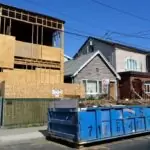
You only need a permit if your bin sits on public property. If the dumpster is placed entirely on your private driveway, no paperwork is required. But the moment you place a dumpster on a street, parking space, alley, or sidewalk, you need to apply with the city.
One main permit is issued for garbage bin rentals in Toronto, the Street Occupation Permit. The process is the same whether the project is residential or commercial, but the scale of the work might affect what’s required.
For most homeowners, the process is straightforward. If your residential dumpster rental is placed on your private driveway, you’re good to go. But if it sits on a street or sidewalk, you’ll need to apply. Residential projects usually involve:
In most cases, these are easier to obtain and process faster than the documentation required for large commercial sites.
Commercial projects, like construction sites, retail fit-outs, or large building cleanouts, still require the same Street Occupation Permit, but with added conditions. These commercial dumpster applications typically include:
While the application itself is not different, the requirements, costs, and documentation often can be.
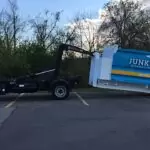
From permits to pick-up, get expert guidance and reliable service across the GTA with Junk It®!
Applications are made directly through the City of Toronto’s Street Occupation Permit office. You’ll need to:
Dumpster permit cost varies by location and project type, with fees increasing by 25% in designated Construction Hubs. Be sure to apply early; applications for main roads may take 10 days or longer to process.
Skipping this step simply isn’t worth the risk. Without the right permissions, you could be faced with:
Getting your paperwork in order is the first part of the planning. Where and how you place the dumpster is also important to consider, and can affect safety, convenience, and efficiency.
Options include private driveways, city streets, parking spaces, or alleys. Public areas require permits and must not block sidewalks, utilities, or emergency access.
Driveways are always the easiest since you don’t need permission from the city. Junk It®’s teams have the equipment and expertise to protect your driveway and your peace of mind while setting down and picking up your bin.
Beyond choosing a location, you’ll need to consider how your dumpster rental size and your property’s layout affect placement. Planning for these factors not only protects your property but also prevents last-minute delivery issues that could delay your project.
Think about:
Securing the right garbage bin permit in Toronto will make sure your project runs smoothly and avoids unnecessary setbacks. The team at Junk It® can guide you through the rules, help you choose the best placement, and make sure your dumpster arrives on time.
Toronto Dumpster Permit FAQs
Processing can take up to 10 business days for main roads, while documents for local residential streets often process faster. Apply early to avoid delays.
Yes, you can, if the bin is on private property such as your driveway. Any placement on a city street, sidewalk, or boulevard requires a permit.
You’ll need to renew or extend the permit before it lapses. If it expires while the bin is still in place, you may face fines or have the dumpster removed.
Technically, Toronto issues the same Street Occupation Permit. The difference is in scale: residential projects usually require smaller bins on quieter streets, while commercial projects often involve larger bins, busier areas, and added requirements like traffic management plans or higher fees in Construction Hubs.
Costs vary based on location, duration, and project type. Expect added surcharges (about 25%) in designated Construction Hubs. Always confirm current rates with the City of Toronto before applying.
Yes. You can apply for an extension if your project runs longer than expected, or request modifications if the bin needs to be moved. Always contact the City before making changes to stay compliant.
Hear From Our Satisfied Clients
We’re proud to share testimonials from our satisfied clients